


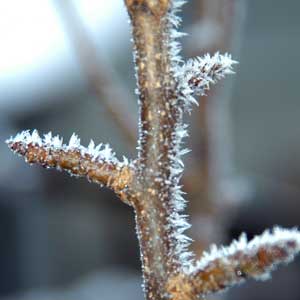
When the temperature dips, a little care goes a long way
There’s a moment in early spring when everything begins to wake. Buds appear. Leaves unfurl. You start to see the promise of the season ahead.
And then, almost quietly, a cold night arrives.
Late frosts are part of the British growing season. They can catch even experienced gardeners off guard. But with a little awareness and a few simple steps, your trees and plants can come through just fine.
You don’t need specialist equipment or expensive materials. Just a bit of care, and knowing where to place your plants when it matters most.
Why late frosts matter
When a tree begins to grow in spring, its new shoots and blossom are soft and full of water. These tender parts are the most vulnerable.
A sudden frost can damage:
- New leaves and shoots
- Blossom on fruit trees
- Early developing fruit buds
This doesn’t always harm the tree itself, but it can affect how it looks and, in some cases, reduce fruit later in the year.
The good news is that most trees are resilient. They simply need a little shelter during those colder nights.
Simple ways to protect your tree or plant
1. Move pots to a sheltered spot before the frost hits
If your tree or plant is in a pot, this is the easiest and most effective step.
Move it closer to the house, ideally:
- Against a wall that holds warmth
- Under a porch, overhang or canopy
- Into a greenhouse, shed or conservatory if available.
Even a small shift in position can make a noticeable difference.
2. Use what you already have to cover plants
You don’t need garden fleece to protect your plant. Everyday household items work just as well.
You can use:
- Old bedsheets or pillowcases
- Light blankets
- Large towels
- Reuse cardboard boxes for smaller plants
Gently drape the covering over the plant in the early evening, and remove it again in the morning once temperatures rise.
This simple layer helps trap warmth from the ground and protects delicate growth from frost settling directly onto the leaves.
3. Lift plants slightly off cold ground
Cold can rise up from patios and decking just as much as it falls from the air.
If you can, place pots on:
- Wooden blocks
- Bricks
- Plant stands
This reduces the chill reaching the roots overnight.
4. Group plants together
Plants naturally protect one another when placed close together.
Grouping pots near a wall or sheltered corner helps create a slightly warmer microclimate, reducing exposure to frost.
5. Water lightly before a cold night
It may feel counterintuitive, but slightly moist soil holds heat better than dry soil.
A light watering earlier in the day (not late evening) can help the soil retain warmth as temperatures drop.
Extra care for citrus, bay and olive trees
Some trees prefer warmer conditions and benefit from a little extra protection.
If you have a citrus tree, bay tree or olive tree, it’s best to move them indoors or into a sheltered space during very cold snaps.
A bright porch, conservatory or greenhouse is ideal. Even a temporary move for a very cold night can make all the difference.
Looking after fruit trees in early spring
If your fruit tree is beginning to blossom, it’s worth keeping an eye on the weather forecast.
Frost at this stage can affect the blossom, which may reduce fruit later in the season. Covering the tree overnight with a light sheet or fabric can help protect these early flowers.
There’s no need for perfection here. Even partial protection from late frosts can reduce the impact of lost blossom.
What if your tree has already been caught by frost?
It’s easy to worry if you notice blackened leaves or wilted growth after a cold night. In most cases, your tree will recover.
Trees are naturally resilient. As temperatures rise, new growth will often follow. Give it a little time before pruning or making any changes. Just remember that patience, more than anything, is what’s needed here.
A quiet reassurance
Gardening isn’t about getting everything right. It’s about noticing, adjusting and learning as you go. Late frosts are simply part of that rhythm.
With a little care on colder nights, your tree or plant will continue to settle in, grow and become part of your space.
And if you’re ever unsure, you’re not expected to figure it all out alone. With MyTree™, you’ll receive gentle guidance through each season, helping you understand what your tree needs as it grows.
Because the gift doesn’t end when it arrives. It’s just beginning.